
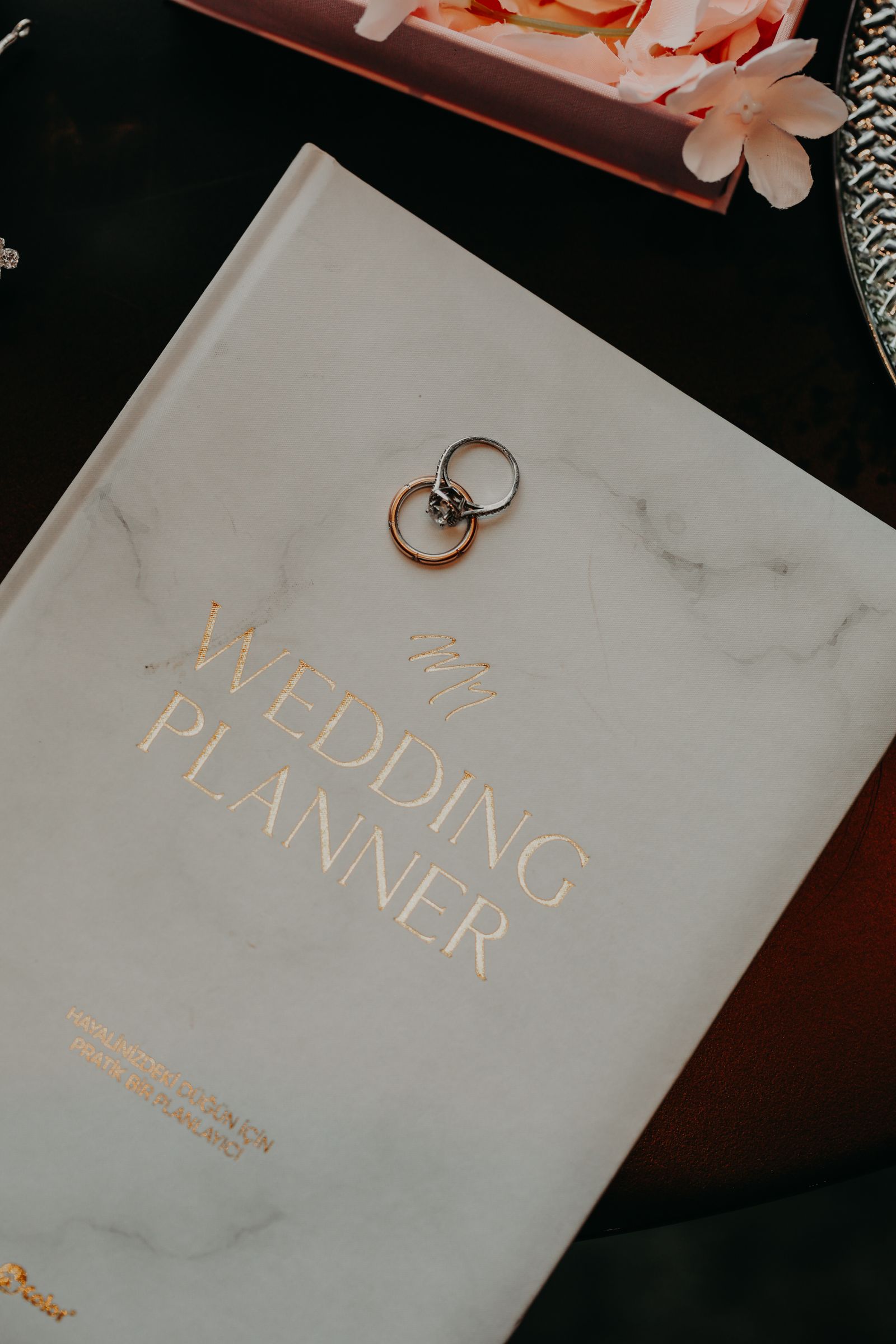
Planning a wedding is a little like running a small project with a very emotional deadline. There are dozens of decisions, a budget to protect, and a lot of people with opinions. The good news is that almost every wedding follows the same rhythm, and once you can see that rhythm laid out month by month, the whole thing feels far more manageable.
This checklist is built around a 12-month planning window, which gives you comfortable time to book popular venues and suppliers. If you have less time, do not panic. Start at the top, work through the early steps quickly, and you will catch up.
Before you start: three decisions that shape everything
Before you look at a single venue, sit down together and agree on three things. Nearly every later choice depends on them.
- Your budget. Decide what you can comfortably spend and who is contributing. Write the number down and agree on what happens if costs creep up.
- Your rough guest count. A wedding for 40 and a wedding for 250 are completely different events. The number affects your venue, catering, invitations and budget more than anything else.
- Your season and style. A relaxed garden lunch in spring, an elegant evening reception, a destination celebration or something small and intimate. Agreeing on the feeling you want makes every later decision easier.
12 months before: lay the foundations
- Set your budget and open a shared spreadsheet or planner to track every cost and deposit
- Draft a first guest list and divide it into “must invite” and “would love to invite”
- Choose two or three possible dates, ideally with some flexibility
- Research and visit venues; ask what is included, what is extra, and whether there is a minimum spend
- Book your venue and, if separate, your ceremony location
- Consider whether you want a wedding planner or day-of coordinator, and book early if you do
- If you are having a religious or civil ceremony, contact your officiant or local registry office to understand their requirements and lead times
Popular venues and dates, especially weekends in peak season, are often booked a year or more ahead. If your heart is set on a particular place, contact them first and build the rest of your plans around their availability.
10 to 11 months before: book the big suppliers
The suppliers who can only be at one wedding per day get booked fastest. Prioritise:
- Photographer and videographer. Look at full wedding galleries, not just their highlight shots, to judge consistency.
- Caterer, if your venue does not provide one. Ask about tasting sessions and dietary options.
- Music. A band, DJ or musicians for the ceremony.
- Officiant, if you have not secured one already.
Always read contracts carefully, check what the deposit covers and note the cancellation terms. Keep every contract in one folder, digital or paper.
8 to 9 months before: style and attire
- Start shopping for your wedding dress or outfit. Many bridal shops recommend ordering several months in advance because made-to-order gowns take time, and you will need room for alterations.
- Choose your wedding party and let them know what you are hoping for from them
- Book a florist and start gathering ideas for colours and flowers that will be in season
- Send save-the-dates if many guests need to travel, or if you are planning a destination wedding
- Set up a simple wedding website with the date, location, travel and accommodation details
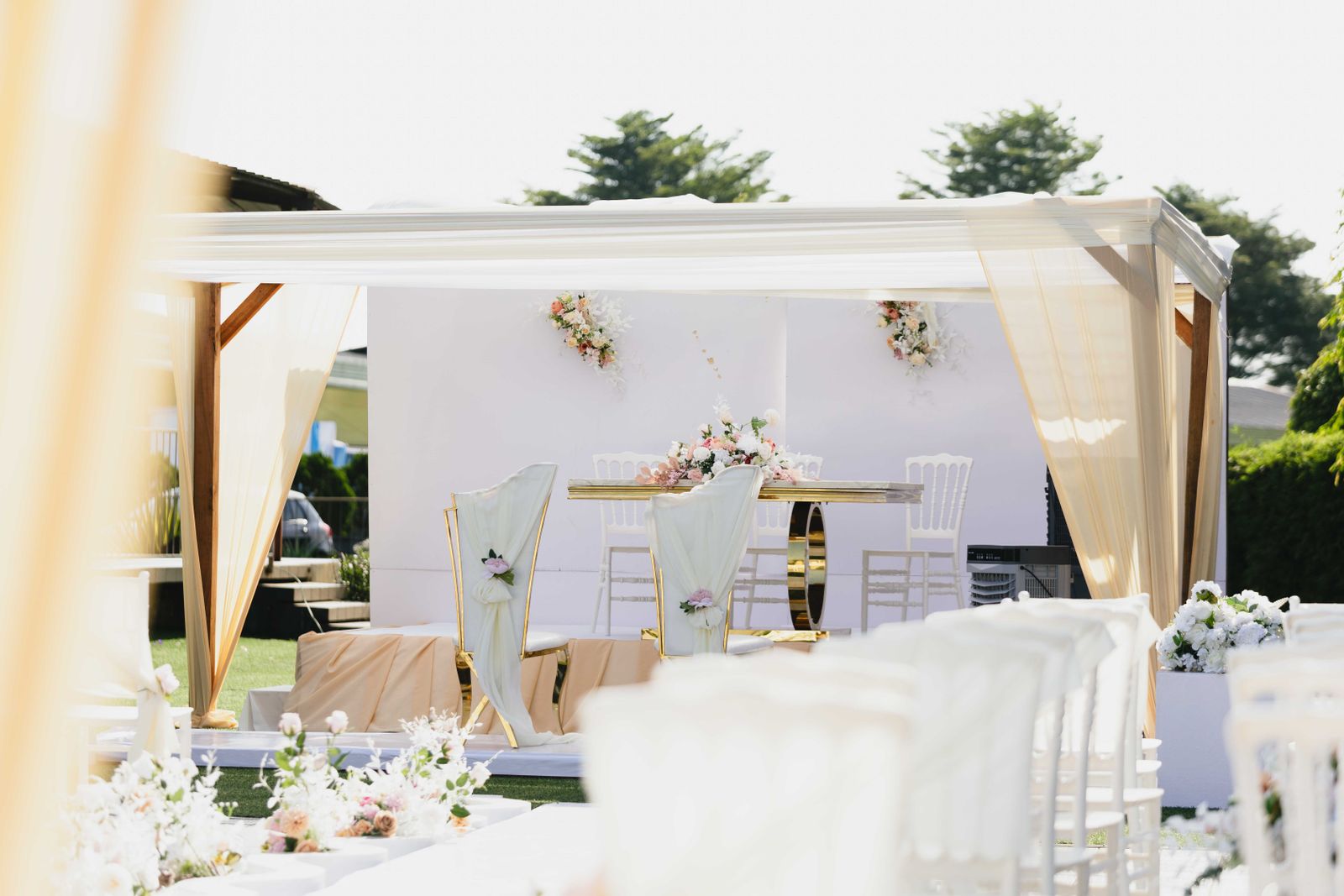
6 to 7 months before: the details come together
- Book hair and makeup artists, and schedule a trial closer to the date
- Arrange transport for the day, if needed
- Reserve a block of hotel rooms for out-of-town guests
- Order or design your invitations
- Decide on your menu style: plated dinner, buffet, family-style sharing or food stations
- Plan your honeymoon and check passport validity dates if you are travelling abroad
- Choose a cake or dessert table supplier and arrange a tasting
4 to 5 months before: refine and confirm
- Finalise your menu and confirm any dietary requirements you already know about
- Order wedding rings so there is time for sizing or engraving
- Buy or rent outfits for your partner and wedding party
- Plan the ceremony with your officiant, including readings, music and any traditions you want to include
- Book rentals such as chairs, linens, lighting or a dance floor if your venue does not provide them
- Start a list of the photos you would like, especially family group shots
2 to 3 months before: invitations and logistics
- Send invitations. Around six to eight weeks before the date is common, with earlier timing for destination weddings
- Set your RSVP deadline about three to four weeks before the wedding so you have time to finalise numbers
- Have your first dress fitting
- Buy gifts for your wedding party and anyone else you want to thank
- Check what your local authority requires for your marriage licence or legal notice, including documents and timing. Requirements vary a lot between countries and even cities, so confirm directly with the official office
- Write a rough timeline for the day and share it with your planner or venue coordinator
1 month before: final checks
- Chase any missing RSVPs politely, then confirm final guest numbers with your venue and caterer
- Create the seating plan
- Have your final dress fitting and break in your shoes at home
- Confirm times and arrival details with every supplier
- Prepare final payments and tips in labelled envelopes
- Write your vows if you are saying your own
- Apply for or collect your marriage licence, if required in your area
1 week before: breathe and delegate
- Send the final timeline to your wedding party, family members with roles and all suppliers
- Pack an emergency kit: safety pins, plasters, stain remover, painkillers, tissues, phone charger, sewing kit and a few snacks
- Hand off any jobs you do not need to do yourself, such as collecting decorations or greeting suppliers
- Pack for your honeymoon so it is not a last-minute rush
- Get a manicure, a good night’s sleep and some quiet time together
On the wedding day
- Eat a proper breakfast and drink water throughout the day
- Leave extra time in the morning schedule; hair, makeup and photos almost always run longer than planned
- Give your phone to someone you trust so you are not managing messages
- Take a few minutes alone with your partner after the ceremony to let it sink in
After the wedding
- Return any rented items on time
- Arrange dress cleaning and preservation if you want to keep it
- Send thank-you notes, ideally within a few months
- Update your name on official documents, if you are changing it
- Leave reviews for the suppliers who made your day special; it means a lot to small businesses
Smart ways to keep your wedding budget under control
- Track every single cost, including deposits, delivery fees and service charges
- Keep a contingency of around 5 to 10 percent for surprises
- Trim the guest list first. It is the most effective way to save, because almost every cost scales with the number of people
- Consider an off-peak date. Fridays, Sundays and off-season months are often cheaper
- Choose flowers that are in season and local
- Borrow or buy second-hand decor, signage and even dresses
Frequently asked questions
How long does it take to plan a wedding?
Many couples plan over 12 to 18 months, but a lovely wedding can be organised in six months or less, especially if you are flexible on date and venue. Smaller weddings are also quicker to plan.
What should I book first for my wedding?
Your venue and date come first, because everything else depends on them. Next, book the suppliers who can only work one wedding per day, such as your photographer, caterer and music.
When should we send save-the-dates and invitations?
Save-the-dates usually go out six to eight months before, or earlier for destination weddings. Invitations typically follow six to eight weeks before the day.
Do we really need a wedding planner?
Not necessarily, but a planner or day-of coordinator can save time, reduce stress and often negotiate better rates. If you have a busy job or a complex event, it can be worth the investment.
The bottom line
The secret to stress-free wedding planning is not doing everything perfectly. It is doing the right things in the right order. Lock in your budget, guest count and venue early, book key suppliers next, and let the details fall into place month by month. Then, on the day itself, put the checklist away and enjoy it.
For more inspiration, explore our wedding ideas, and if your celebration falls during the holy month, our Ramadan decoration ideas are full of warm, festive touches.