
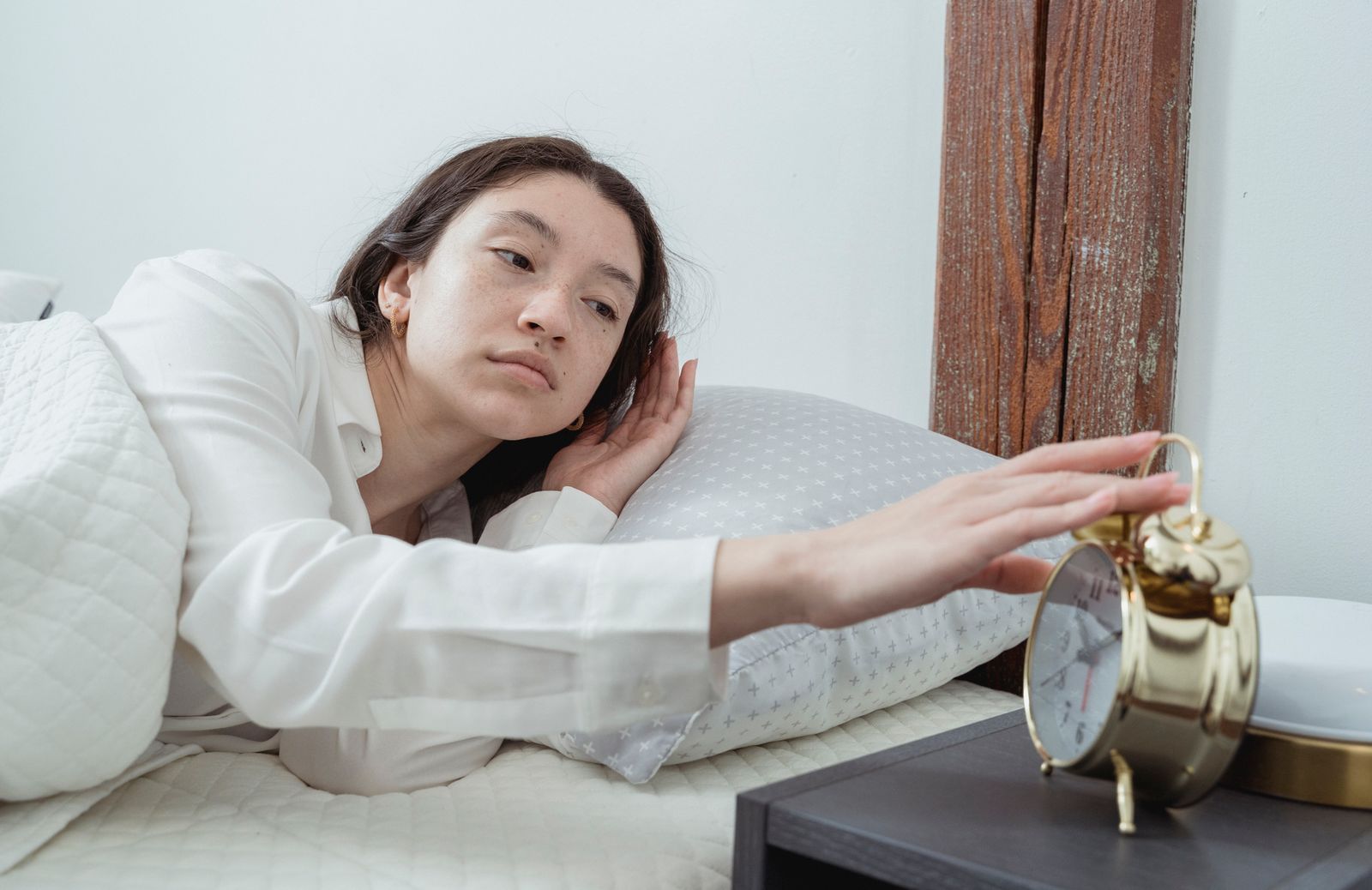
Eight hours. You went to bed at a decent time, you did not scroll until midnight, and the alarm still felt like a personal attack. If that sounds familiar, you are in good company. Waking up tired after what should have been enough sleep is one of the most common complaints doctors hear, and it rarely has a single cause.
Hours in bed and quality of sleep are two very different things. What matters is how much of the night you actually spent asleep, how often that sleep was interrupted, and whether your body moved through its natural sleep cycles. Here are the most common reasons a full night can still leave you running on empty.
You are waking up in the middle of a sleep cycle
Through the night, your brain moves through cycles of light sleep, deep sleep and REM sleep. Each cycle lasts roughly 90 minutes. If your alarm goes off while you are in deep sleep, you are far more likely to wake up groggy, heavy and confused.
That groggy feeling has a name: sleep inertia. It usually fades within 15 to 30 minutes, though it can last longer. Some people find that adjusting their alarm by 15 or 20 minutes in either direction makes mornings noticeably easier. Getting bright light soon after waking, ideally daylight, also helps clear it faster.
Your evening drink is costing you more than you think
A glass of wine can make it easier to fall asleep, which is why so many people think it helps. The trouble comes later. As your body processes the alcohol, sleep becomes lighter and more broken in the second half of the night, and alcohol suppresses REM sleep, the stage linked to memory and emotional processing.
You might not remember waking up, but your brain registers those small disruptions. If you regularly wake up around 3am, or feel flat the morning after even one or two drinks, try a couple of alcohol-free weeknights and compare how you feel.
Caffeine is still in your system at bedtime
Caffeine has a half-life of around five hours in most adults, and it can be longer for some people, including those who are pregnant or taking certain birth control pills. That means half the caffeine from a 3pm latte can still be circulating at 8pm.
You may fall asleep without any trouble and still get shallower sleep with less deep rest. Moving your last coffee to before lunch is a simple experiment, and many people notice a difference within a week.

Your schedule shifts too much on weekends
Staying up late on Friday and sleeping in on Saturday feels like catching up. To your body clock, it looks more like flying to another time zone and back every week. Researchers call this social jet lag, and Monday morning exhaustion is the classic symptom.
You do not need to wake up at 6am every Sunday. Keeping your wake time within about an hour of your weekday schedule is usually enough to keep your rhythm steady.
Your bedroom is working against you
Small things in the room can fragment sleep without fully waking you. The usual culprits:
- Temperature. Most people sleep best in a cool room, somewhere around 16 to 19°C (60 to 67°F). A warm bedroom is a common reason for restless nights.
- Light. Streetlights, a charging phone, or early sunrise through thin curtains can all nudge you toward lighter sleep.
- Noise. A partner who snores, a pet that moves around, or traffic outside can cause dozens of brief arousals you never remember.
Blackout curtains, a fan or white noise machine, and keeping pets out of the bed for a trial week are all cheap ways to test whether your environment is part of the problem.
Sleep apnea does not always look like you expect
Obstructive sleep apnea happens when the airway repeatedly narrows or closes during sleep, briefly cutting off breathing. Each episode pulls you out of deep sleep, sometimes many times an hour.
It is often pictured as a condition of older, heavier men who snore loudly. In women, it is frequently missed, partly because the symptoms can be quieter: morning headaches, insomnia, waking up with a dry mouth, low mood, or simply never feeling rested. The risk also rises after menopause. If any of this sounds familiar, it is worth raising with your doctor, who may suggest a sleep study. Many can now be done at home.
Low iron or thyroid issues could be in the mix
Fatigue that does not lift with rest is sometimes not about sleep at all. Iron deficiency is common in women, particularly those with heavy periods, and it can cause tiredness, weakness and shortness of breath. Low iron is also linked to restless legs syndrome, which can make it hard to stay asleep.
An underactive thyroid is another common cause of persistent exhaustion, and it is far more common in women than men. Both are easy to check with a simple blood test, so if tiredness has been dragging on for weeks, ask your doctor about testing rather than assuming you just need more coffee.
Hormonal shifts can disrupt your nights
Many women notice their sleep changes across their menstrual cycle, with worse sleep in the days before a period. Pregnancy brings its own challenges. And perimenopause, which can begin in your early 40s or even earlier, often brings night sweats and more frequent waking.
These changes are real, and you do not have to just put up with them. A doctor can talk through options, from practical adjustments to treatments that target the underlying symptoms.
Stress keeps your brain on alert
When you are anxious or under pressure, your body produces more of the hormones that keep you alert. Sleep can become lighter, and you may wake more easily in the early hours with your mind already racing.
A short wind-down routine helps more than people expect. Write down tomorrow’s to-do list before bed so it is out of your head, keep the last half hour screen-free if you can, and if you wake and cannot get back to sleep after about 20 minutes, get up and do something quiet in dim light until you feel sleepy again.
When it is time to see a doctor
Book an appointment if tiredness has lasted more than a few weeks despite changes to your routine, or if it comes with any of the following:
- Loud snoring, gasping or choking during sleep, or a partner noticing you stop breathing
- Falling asleep during the day when you do not mean to, especially while driving
- Unexplained weight changes, feeling cold all the time, or hair thinning
- Heavy periods, dizziness or shortness of breath
- Low mood or loss of interest in things you used to enjoy
It helps to bring a simple sleep diary to that appointment. Note when you went to bed, roughly when you fell asleep, how often you woke, what you drank in the evening and how you felt the next morning. Two weeks of notes gives your doctor far more to work with than “I’m always tired,” and it often reveals patterns you would never spot on your own.