
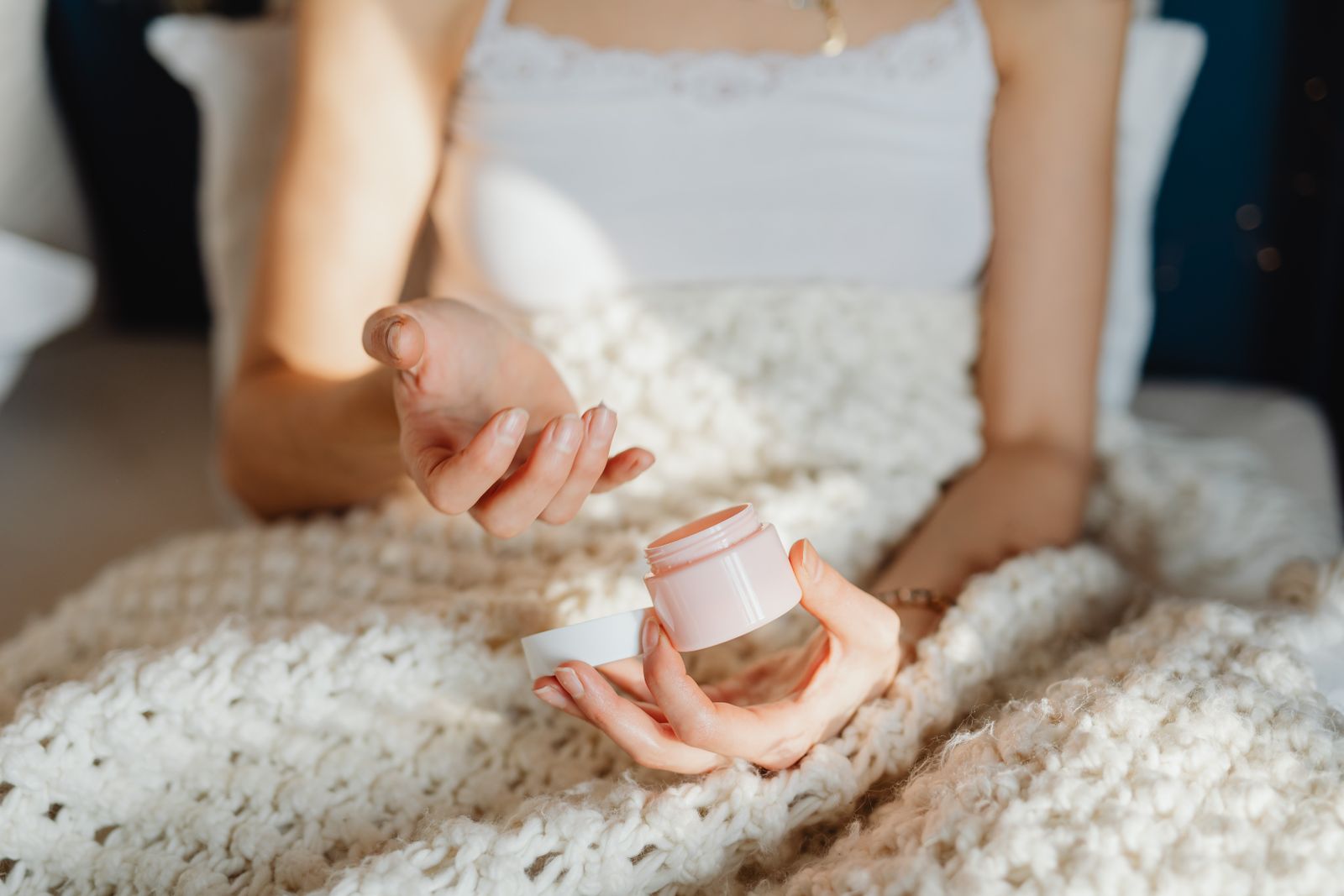
You step out of a hot shower, and within minutes your face feels tight, almost like it has shrunk a size. By lunchtime there are flaky patches around your nose, and the foundation that looked smooth in October now clings to every dry spot. Winter has arrived on your skin before it showed up on the calendar.
Cold air holds less moisture, indoor heating dries things out even further, and the wind does the rest. The routine that worked beautifully in summer often starts working against you once the temperature drops. The fix is rarely a whole new shelf of products. Usually it comes down to a few smart swaps and some changes to how you use what you already have.
Why skin gets so dry in winter
Your skin has a protective outer layer, often called the moisture barrier, made up of skin cells held together by fats such as ceramides. When it is healthy, it keeps water in and irritants out. Cold, dry air pulls moisture from that layer faster than your skin can replace it, and the barrier starts to weaken.
A weakened barrier shows up as tightness, flaking, rough patches, redness and stinging when you apply products that never bothered you before. Some people also notice more breakouts, because irritated skin can overcompensate. Treating the barrier gently is the whole goal of a winter routine.
Swap your cleanser first
If you only change one product, make it your cleanser. Foaming gels and anything that leaves your skin feeling squeaky clean strip away natural oils along with the dirt. In winter, that squeaky feeling is a warning sign.
Look for a cream, milk or balm cleanser labeled gentle or hydrating, ideally fragrance-free. Many people find that cleansing once a day in the evening is plenty, with just a splash of water in the morning. If your skin is oily or you work out in the mornings, a gentle cleanser twice a day is fine. The key is that your face should feel comfortable, not tight, after washing.
Turn down the water temperature
A long, steaming shower feels wonderful on a cold morning, but hot water is one of the biggest causes of winter dryness. It dissolves the oils that protect your skin. Dermatologists generally recommend lukewarm water and keeping showers to around five to ten minutes.
Pat your skin dry with a towel rather than rubbing, and leave it slightly damp. That leads straight to the next step.
Moisturize while your skin is still damp
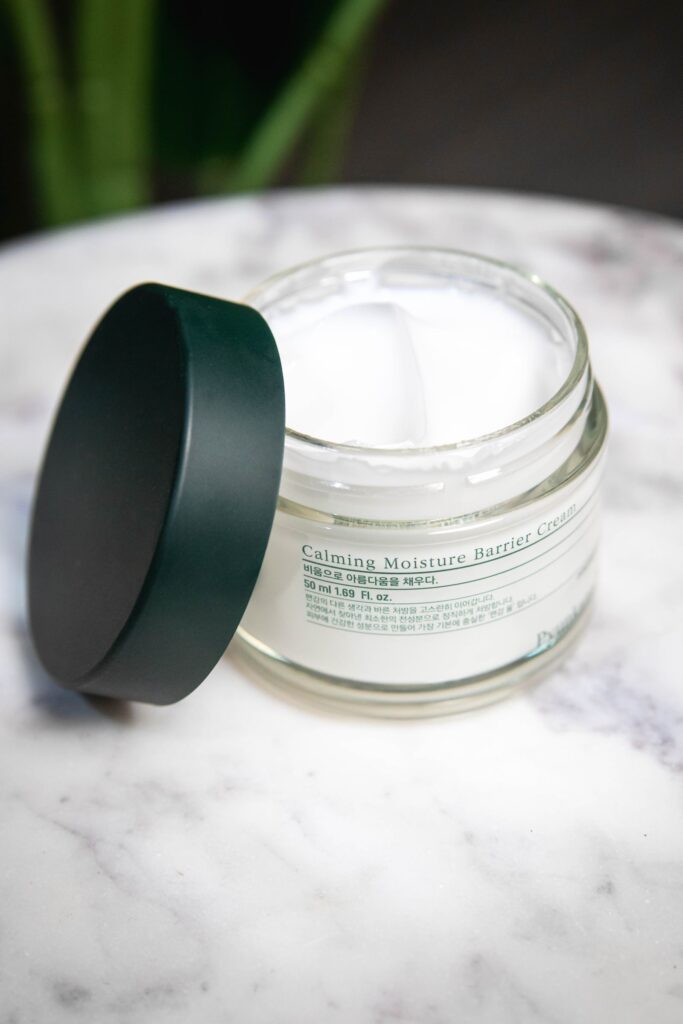
Timing matters as much as the product itself. Applying moisturizer within a few minutes of washing, while your skin still has a little water on it, helps trap that moisture in. Wait too long and the water evaporates, taking some of your skin’s own hydration with it.
Keep your face moisturizer by the sink and your body lotion in the bathroom so you are not tempted to skip it.
Understand what your moisturizer is doing
Moisturizers work in three main ways, and a good winter formula usually combines all three:
- Humectants such as glycerin and hyaluronic acid draw water into the skin.
- Emollients such as squalane and plant oils smooth rough, flaky areas and soften the surface.
- Occlusives such as petrolatum, dimethicone and shea butter form a light seal that slows water loss.
Ceramides are worth looking for too, since they help rebuild the barrier itself. If the lightweight gel you loved in summer is no longer enough, switch to a richer cream for winter, at least at night. Thick textures are not a problem in cold weather the way they can be in the heat.
Ease up on exfoliating and strong actives
Acids, scrubs and retinoids all have their place, but they can push an already stressed barrier over the edge. If your skin is stinging or peeling, cut back to exfoliating once or twice a week, or pause completely until things settle.
If you use a retinoid, you do not necessarily need to stop. Many people do well by applying it every other night, or by putting moisturizer on first and the retinoid on top to soften its effect. If you were prescribed a retinoid by a dermatologist, check with them before changing how you use it.
Keep wearing sunscreen
It is easy to forget about sun protection when the sky is grey, but UVA rays, the ones linked to skin aging, reach you year-round and pass through clouds and windows. Snow also reflects UV light, which is why skiers can burn so badly.
A moisturizing sunscreen with SPF 30 or higher can double as your morning moisturizer on days when your skin is not too dry. On very dry days, apply moisturizer first and let it sink in before sunscreen.
Add moisture back into the air
Central heating can drop indoor humidity dramatically. A humidifier in your bedroom helps your skin recover overnight, and many people notice less tightness and fewer dry patches within a week or two. Aim for a comfortable level, roughly between 30 and 50 percent, and clean the humidifier regularly so it does not grow mold or bacteria.
Do not forget lips, hands and body
These areas often suffer most in winter:
- Lips have no oil glands of their own. Use a simple balm with petrolatum or beeswax, and avoid licking them, which makes chapping worse. Skip balms that tingle, since that sensation often comes from ingredients that can irritate.
- Hands take a beating from frequent washing. Apply hand cream after every wash if you can, and wear gloves outdoors.
- Body skin, especially shins and elbows, benefits from a thick cream rather than a thin lotion. Look for urea or lactic acid if you have rough, bumpy patches.
A simple winter routine to start with
Morning: rinse with lukewarm water or use a gentle cream cleanser, apply a hydrating serum if you like one, follow with moisturizer, then sunscreen.
Evening: cleanse gently, apply your treatment product if your skin tolerates it, then finish with a richer cream. On very dry nights, a thin layer of an occlusive balm over dry patches can make a real difference by morning.
Give any change about two weeks before deciding whether it works, since the barrier takes time to repair. And if your skin is cracking, bleeding, intensely itchy or not improving despite gentle care, see a dermatologist. Conditions such as eczema often flare in winter, and they respond much better to proper treatment than to trial and error.